Understanding Water Damage in Simi Valley and Ventura County
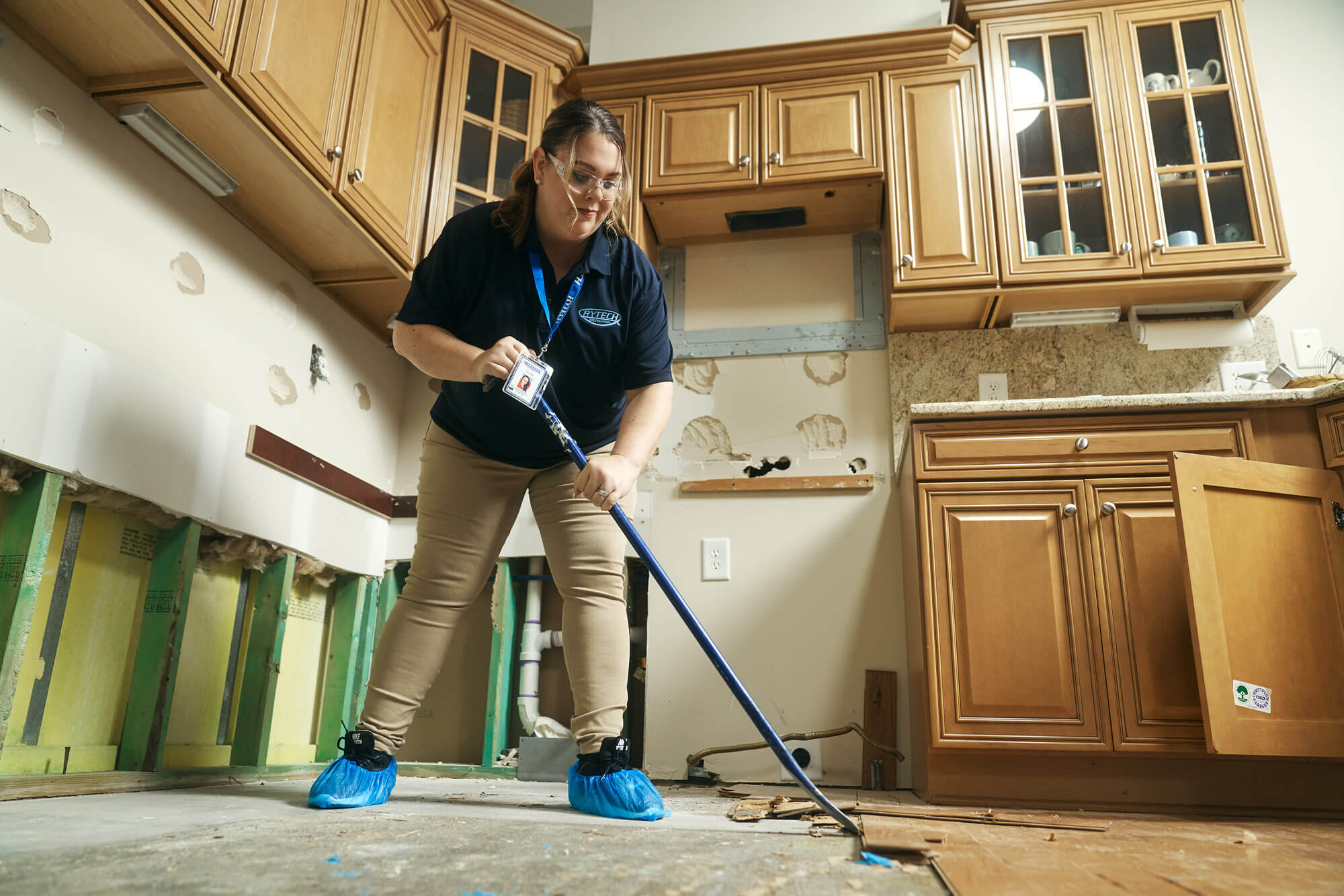
Water damage doesn’t wait for a convenient time. One day everything looks fine, and the next, a burst pipe or heavy rain leaves you dealing with soaked floors and damp walls. While the topic may mention Pensacola, the reality is that property owners in Simi Valley, CA and across Ventura County face many of the same risks—especially with aging plumbing systems, seasonal rains, and hillside runoff in nearby areas like Thousand Oaks and Moorpark.
In this guide, you’ll walk through what actually happens during water damage, how restoration works, and what steps help you protect your property and your investment. Whether you manage a commercial property in Ventura or own a home in Simi Valley, knowing what to expect changes everything when water shows up where it shouldn’t.
What Causes Water Damage Around Simi Valley Homes and Businesses
In Ventura County, water damage often starts quietly. A small pipe leak behind a wall in a Simi Valley home can go unnoticed for days. In commercial buildings across Camarillo or Oxnard, HVAC systems or sprinkler lines sometimes create hidden moisture issues that build over time.
Other situations hit fast. Winter storms moving through Southern California can overwhelm drainage systems, especially in hillside communities like Bell Canyon or Santa Susana. Roof leaks, foundation cracks, and clogged gutters all allow water to move where it shouldn’t.
Appliances also play a big role. Washing machines, dishwashers, and water heaters are some of the most common sources of sudden water loss. According to industry data, appliance failures and plumbing issues are among the leading causes of property damage claims each year.
Each cause affects materials differently. Clean water from a supply line behaves very differently than contaminated water from outside flooding. That distinction drives every decision during restoration.
Water Damage Categories and What They Mean for Your Property
Water damage is classified into three categories based on contamination levels, a framework outlined in the ANSI/IICRC S500 standard for professional water damage restoration.
Category 1 water starts clean, often from a broken pipe. It’s the easiest to manage when addressed quickly. Category 2 water carries contaminants—think dishwasher overflow or washing machine discharge. Category 3 water, often called “black water,” includes sewage or floodwater and requires strict safety protocols.
These categories matter because they directly affect how materials are handled, what can be restored, and how quickly action needs to happen. The longer water sits, the more likely it is to degrade into a higher category, increasing both complexity and risk.
Early Signs of Water Damage You Shouldn’t Ignore
Water damage doesn’t always show up as standing water. In many Simi Valley properties, the first signs are subtle. A faint stain on drywall. Slight warping in wood floors. A musty smell that doesn’t go away.
Over time, these signals grow. Drywall begins to bubble. Ceilings may sag. Flooring can lift or separate. In some cases, small dark spots begin to appear, signaling potential microbial growth in damp materials.
These changes point to one thing—moisture where it doesn’t belong. And moisture, left alone, spreads.
What to Do Immediately After Water Damage Occurs
The first few hours matter more than most people realize. Quick action limits how far the damage travels and how much material is affected.
Start by stopping the source if possible. Shutting off the water supply prevents continued intrusion. If it’s safe, power should be disconnected in affected areas to reduce electrical risk.
Next, move valuables and contents away from wet zones. Documentation comes next—photos and notes help support the insurance process later.
From there, reaching out to a team trained in professional water damage restoration in Simi Valley in ensures the situation is evaluated properly and handled using industry-standard methods.
Why Fast Response Changes the Outcome
Water moves quickly through building materials. Within hours, it seeps into drywall, insulation, and subflooring. Within 24–48 hours, moisture conditions can support microbial growth.
The ANSI/IICRC S500 emphasizes timely response as part of proper restoration practice because delays increase both structural impact and project complexity.
In practical terms, a fast response in a Simi Valley home might mean saving hardwood flooring instead of removing it. In a commercial building, it can mean avoiding business interruption.
How Water Extraction and Drying Really Works
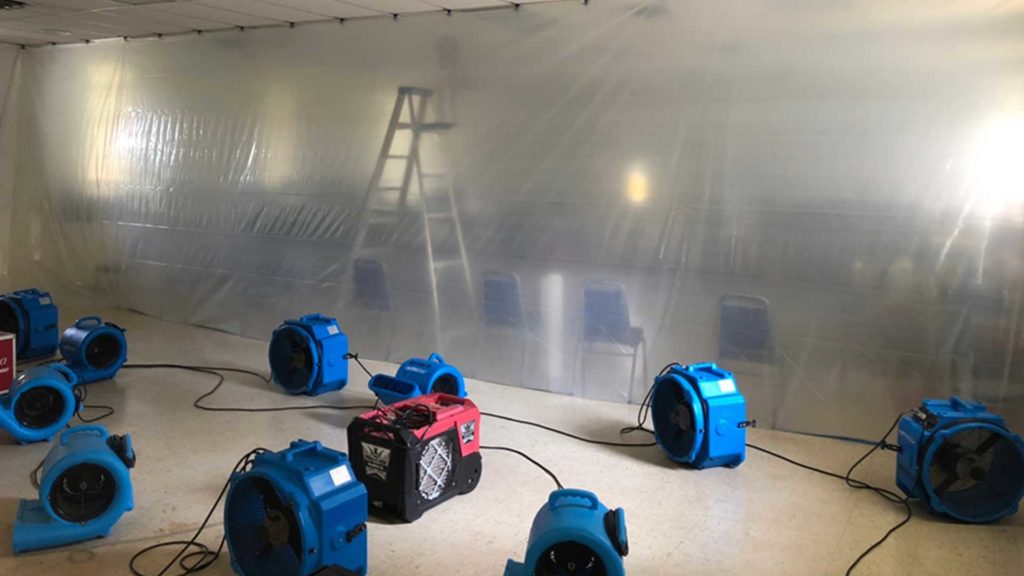
When you see large fans and dehumidifiers set up, it’s not just about drying things out—it’s about controlling the environment.
Water extraction removes standing water first. Then air movers create airflow across surfaces, speeding up evaporation. Dehumidifiers pull moisture out of the air to prevent it from settling back into materials.
Technicians monitor moisture levels using specialized meters and thermal imaging tools. This process follows drying science principles outlined in the S500 standard, focusing on achieving consistent, controlled drying across affected areas.
Preventing Mold Growth After Water Damage
Mold growth is tied directly to moisture. When materials stay damp, conditions become favorable for growth, especially in dark, enclosed areas like wall cavities.
The ANSI/IICRC S520 standard outlines that proper mold remediation focuses on containment, removal of affected materials when necessary, and controlling moisture to prevent recurrence—not simply surface cleaning.
That’s why drying is so critical. Remove the moisture, and you remove the conditions that allow mold to develop.
Equipment Used During Professional Restoration
Professional restoration relies on specialized tools designed for accuracy and efficiency. High-capacity extractors remove water quickly. Air scrubbers help manage airborne particles. Moisture meters and hygrometers track progress.
Protective equipment also plays a role, especially when dealing with contaminated water. This aligns with safety and health practices outlined across IICRC standards, ensuring both occupants and technicians are protected during the process.
Health and Safety Considerations
Water damage introduces more than structural concerns. Contaminated water can carry bacteria and other hazards. Damp environments may impact indoor air quality.
That’s why controlled work environments, proper protective equipment, and structured processes are used throughout restoration. In some cases, temporary relocation may be recommended depending on the extent of impact.
Navigating the Insurance Process
For many property owners in Simi Valley and Ventura County, the insurance process feels unfamiliar. That’s normal. Most people don’t deal with claims often.
Clear documentation—photos, moisture readings, and detailed reports—helps insurance adjusters evaluate the situation. Restoration professionals often assist by providing the data needed to support accurate claim decisions.
Given that a large portion of restoration work involves insurance claims, having a knowledgeable team helps streamline communication and keep the process moving forward.
What Affects the Cost of Water Damage Restoration
Costs vary based on several factors. A small clean water loss in a single room looks very different from a large Category 3 loss affecting multiple areas.
Size of the affected space, level of contamination, and the type of materials involved all influence scope. Projects requiring controlled containment or extended drying time naturally involve more steps.
Understanding these variables helps property owners set realistic expectations when evaluating restoration work.
DIY vs. Professional Restoration
Small surface spills are manageable. But once water moves into structural materials, the situation changes.
Household fans and shop vacs don’t provide the airflow or moisture control needed for proper drying. Hidden moisture remains, and that’s where long-term issues begin.
Professional restoration brings controlled drying, accurate measurement, and documented processes. That difference shows up in the final outcome.
How to Reduce the Risk of Future Water Damage
Prevention starts with awareness. Regular plumbing inspections catch small leaks early. Cleaning gutters and maintaining drainage systems reduces storm-related risks.
In areas like Simi Valley, where terrain and seasonal weather patterns play a role, directing water away from foundations makes a noticeable difference. Installing leak detection systems adds another layer of protection.
What the Restoration Timeline Looks Like
Every project moves at its own pace, but most follow a similar pattern. The first day focuses on extraction and assessment. Over the next few days, drying and moisture control take center stage.
As conditions stabilize, cleaning and sanitation steps follow. More complex situations may extend into additional phases, depending on the materials involved and the level of impact.
Following Industry Standards and Regulations
Professional restoration follows established guidelines. The ANSI/IICRC S500 and S520 standards provide the framework for water damage restoration and mold remediation, ensuring consistent, science-based approaches.
These standards guide everything from inspection and documentation to drying methods and safety protocols, helping ensure properties are restored properly and safely.
Local Insight from Rytech Restoration of Ventura County
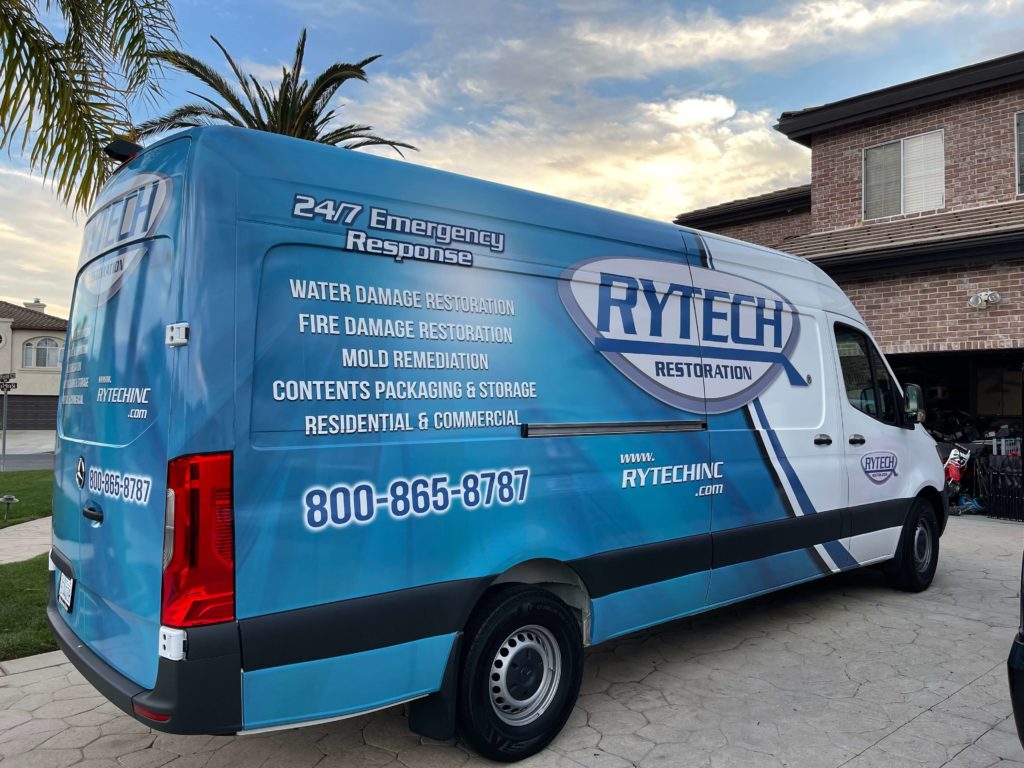
“In Simi Valley and across Ventura County, we see a lot of water damage tied to older plumbing systems and seasonal weather shifts,” says owner Mat Stone. “Homes built decades ago often have materials that react differently to moisture, and knowing how those materials behave is key to restoring them properly. Our team follows IICRC guidelines to make sure we dry structures thoroughly and help property owners avoid bigger issues down the road.”
Mat Stone, Owner, Rytech Restoration of Ventura County
FAQs: Answering Your Pressing Water Damage Restoration Questions
At Rytech Restoration of Ventura County, we know that water damage can be overwhelming. To help you through this difficult time, we’ve created a list of FAQs to give you a better understanding of our services, the restoration process, and what to expect when you choose to work with us.


