
Water damage rarely respects the boundaries you can see. A leaking supply line may leave a puddle in a Simi Valley kitchen while moisture moves beneath cabinets and flooring. Water from an upstairs bathroom can travel through wall and ceiling assemblies before the first stain appears downstairs. In a commercial property, even a relatively small plumbing problem can spread into several rooms before someone discovers the source.
That is why professional water damage restoration involves much more than removing standing water. The process includes finding the source, determining where moisture traveled, evaluating affected materials, removing excess water, creating appropriate drying conditions, and monitoring materials as they dry.
For homeowners, commercial property owners, property managers, insurance professionals, and referral partners in Simi Valley and throughout Ventura County, understanding that process can make a water loss less confusing. Many restoration myths sound reasonable until you look at how water actually moves through a building.
Myth: “I Can Handle the Water Damage Cleanup Myself”
A wet vacuum, towels, and a few fans can remove visible water. They cannot tell you what is happening beneath a floor or inside a wall.
Professional water restoration starts by determining the extent of the water intrusion. Technicians use moisture-detection instruments to investigate affected materials and follow water migration beyond the obvious wet area. This can reveal moisture beneath flooring, behind baseboards, inside wall assemblies, or in nearby rooms that still look normal.
Consider a dishwasher supply line that leaks overnight in a Simi Valley home. By morning, the homeowner may remove the visible water and dry the tile surface. The harder question is whether moisture reached the cabinets, drywall, grout system, or materials beneath the finished floor.
Rytech Restoration's approach emphasizes professional moisture detection and drying science rather than relying on appearance alone. Finding the full extent of the loss allows the restoration plan to focus on affected materials and can help avoid unnecessary demolition.
Myth: “Mold Only Develops After a Long Time”
Mold growth does not require weeks of standing water.
The water-damage and mold-prevention guidance contained in Rytech's technical knowledge materials calls for responding to clean-water damage within 24 to 48 hours. The same guidance makes an important distinction: mold can develop sooner or later than 48 hours, so that timeframe should not be treated as a guaranteed deadline. The condition of the materials and the surrounding environment still matter.
Moisture control is the central issue. When building materials remain damp, they can provide conditions that support microbial growth. Drying the visible surface while leaving moisture trapped beneath flooring or inside a wall does not address that underlying condition.
If mold growth is already present, the work shifts toward professional containment and mold removal while the moisture source is addressed. The goal is to remove affected mold growth, reduce harmful mold spores in the indoor environment, and correct the moisture conditions that allowed growth to develop.
Myth: “Drying Out My Home Only Takes a Day or Two”
Water damage does not come with a universal drying timer.
A drywall panel, wood cabinet, concrete slab, carpet system, and wood floor all absorb and release moisture differently. The amount of water, duration of exposure, building assembly, indoor conditions, and drying method also affect how quickly materials respond.
Professional restoration therefore relies on measurements rather than choosing an arbitrary completion date. Technicians establish drying goals, monitor affected materials, and track whether moisture levels are moving toward those goals. Rytech's technical knowledge also describes daily drying logs that can include temperature, relative humidity, material moisture readings, drying goals, and moisture maps.
Some water losses may dry relatively quickly. Others take longer because water reached dense materials or complicated assemblies. The correct finish line is the verified moisture condition of the affected materials, not the number of nights the equipment has been running.
Myth: “A Little Water Can't Cause Much of a Problem”
The amount of water you see does not always show how much of the building became wet.
Water can travel beneath flooring, along framing, through drywall, behind cabinets, and into adjoining spaces. A small supply-line leak may therefore affect a much larger area than the original puddle suggests.
Picture a slow refrigerator line leaking against a kitchen wall in Moorpark. The visible water may be limited to the appliance area, while moisture moves beneath nearby flooring or into the wall. A similar leak in an office or multifamily property can involve additional rooms or units depending on the building layout.
Professional moisture inspection follows the water rather than guessing from the visible stain. That approach helps define what actually requires restoration.
Myth: “Household Cleaning Products Are Enough for Water Damage Cleanup”
Cleaning a wet surface and restoring a water-damaged building solve different problems.
A household cleaner can remove ordinary dirt from an accessible surface. It cannot determine whether the subfloor beneath that surface remains wet. It also cannot measure moisture inside drywall or determine how contaminated the water became during the loss.
Water restoration combines extraction, cleaning when appropriate, moisture control, structural drying, and monitoring. The process changes further when contaminated water is involved because cleaning methods and contamination controls must match the conditions found at the property.
Even flooring illustrates the difference. Rytech's technical guidance notes that the material underneath carpet or other flooring also needs to be checked and dried when affected. A clean surface does not tell you whether the layers below it are dry.
Myth: “Everything Can Always Be Restored After Water Damage”
Professional restorers try to preserve affected materials when their condition allows successful restoration. That does not mean every wet item can be saved.
Material type, contamination, physical damage, exposure time, construction, and the ability to clean and dry the material all influence the decision. Drywall with intact seams and no obvious swelling, for example, may present different restoration possibilities than drywall that has suffered substantial physical deterioration.
Contents require similar judgment. A common household object may receive a different evaluation than a family photograph, business record, artwork, or item with significant sentimental value. Rytech's technical guidance recognizes that valuable contents can require specialized professional restoration methods.
This is where a restore-first mindset creates value. Rytech Restoration of Ventura County focuses on restoring affected materials when conditions support it and removing materials that are beyond repair, rather than assuming everything that became wet must automatically come out.
Myth: “Appliances Are Safe to Use Once They Look Dry”
An appliance can look dry on the outside while moisture remains where you cannot see it.
Water may reach wiring, controls, motors, electrical connections, insulation, or internal components. A washing machine sitting in a flooded laundry room, for example, has experienced a different exposure than an appliance that simply received a few drops on its exterior.
Professional water restoration identifies where the water traveled and what systems or equipment were exposed. Equipment that requires specialized evaluation can then be directed to an appropriately qualified professional.
The same thinking applies in commercial properties. Restaurants, offices, multifamily buildings, retail locations, and other businesses may contain electrical equipment or specialized systems that need separate evaluation from the surrounding building materials.
Myth: “Water Is Water. It’s All the Same.”
The source and contamination of water can significantly change a restoration project.
Professional restoration standards classify water according to contamination. Category 1 originates from a sanitary source. A broken water supply line is a common example, although the condition of the water can change after it enters the building and contacts other materials.
Category 2 water contains significant contamination and can potentially cause discomfort or sickness. Certain appliance discharges and some toilet overflows without feces can fall into this category depending on the circumstances.
Category 3 water is grossly contaminated and can contain pathogenic, toxigenic, or other harmful agents. Sewage and certain types of outdoor floodwater are examples.
Why does that matter to a property owner? The category affects cleaning, contamination control, material evaluation, and the overall restoration approach. Treating every water loss like a broken sanitary supply line can lead to the wrong cleanup strategy.
Myth: “Standard Fans and Dehumidifiers Work Just as Well as Professional Equipment”
A fan moves air. Professional structural drying manages moisture.
As moisture evaporates from a wet material, it enters the surrounding air. The drying environment then needs enough dehumidification to remove that moisture while air movement and other drying conditions encourage additional moisture inside materials to reach the surface.
Professional drying equipment is designed to manage the moisture load created by a water loss. Just as important, trained technicians measure what the equipment is accomplishing. Moisture readings and environmental conditions show whether the drying plan is working or needs to be adjusted.
Putting several household fans in a room without knowing what remains wet can create a lot of airflow without answering the main question: Are the affected materials actually drying?
Professional equipment provides capacity. Moisture measurements provide direction.
Myth: “There Are No Health Concerns If the Water Gets Cleaned Up Quickly”
Speed helps reduce the amount of time water remains in contact with materials, but fast cleanup does not change the original source of the water.
A sanitary plumbing leak and a sewage backup present different conditions from the beginning. Water can also contact contaminants after entering a building. Those differences affect how technicians approach cleaning, containment, personal protective equipment, and material handling.
Moisture that remains hidden can create another concern because damp materials can support microbial growth. The 24 to 48-hour guidance used in Rytech's technical resources focuses on getting clean-water-damaged materials dried quickly, while also recognizing that mold growth does not follow an exact clock.
A professional assessment connects those pieces. The technician evaluates the water source, affected materials, moisture conditions, and contamination rather than assuming that a dry-looking floor means the entire environment has returned to normal.
Myth: “Professional Water Damage Restoration Is Always Too Expensive”
After an unexpected water loss, property owners naturally want to understand what the work will cost. A thorough inspection helps answer a more useful question first: What actually became wet?
Moisture detection can identify affected areas and help technicians avoid treating unaffected materials as damaged. Monitoring then shows whether materials respond to drying. This creates a more targeted restoration process and supports Rytech's goal of restoring materials when conditions allow rather than creating unnecessary demolition.
Documentation also matters when an insurance claim is involved. Property owners may be unfamiliar with the claims process, while agents, adjusters, and carriers work with property losses regularly. Moisture readings, photos, drying documentation, and clear communication can give the parties involved a clearer view of what happened and how restoration is progressing.
Rytech's experience working with insurance professionals helps property owners navigate the restoration side of that process without treating the carrier or claims professional as an obstacle.
Myth: “Once the Area Looks Dry, There’s No Lasting Problem”
Appearance is not a moisture measurement.
A wall can look normal while elevated moisture remains inside the drywall. Finished flooring can conceal moisture underneath. Carpet fibers may feel dry even when the pad or subfloor has not reached an acceptable condition.
Professional restorers use moisture-detection equipment to evaluate these materials during the project. Thermal imaging can also help identify areas that deserve closer investigation, while moisture meters provide readings used to verify material conditions.
Think about a leak affecting a Thousand Oaks wood floor. The surface may lose its obvious wet appearance quickly, but the moisture condition within the flooring and materials below can tell a different story.
That is why professional drying ends with verification rather than a visual guess.
Myth: “If I Don’t See Damage Right Away, There Isn’t a Problem”
Hidden water damage can remain quiet until the property starts showing changes.
A pipe inside a wall can leak without immediately creating a puddle. Water from an upstairs bathroom may move through a floor and ceiling assembly. A cabinet leak can reach the wall behind it, while a roof-related intrusion may follow building components before appearing somewhere far from the entry point.
For a Simi Valley homeowner, the first sign might be a flooring change, a stain, or an unusual odor. A property manager may discover the problem because a tenant reports a ceiling spot in another unit.
Moisture meters allow restoration professionals to investigate beyond those clues. Instead of stopping where visible damage ends, technicians can determine whether adjacent materials also show elevated moisture.
When something about a recent leak does not add up, ask yourself one question: Where else could that water have traveled?
How Professionals Decide What Can Be Restored
The best restoration decision comes from evaluating the material rather than simply labeling it “wet.”
Professionals consider what the material is made from, how much water it absorbed, the contamination involved, its physical condition, how long it was exposed, and whether it can be cleaned and dried successfully. Building assemblies matter too. Water trapped beneath a finished surface may require a different approach from moisture on an exposed material.
Cost is part of the decision, but it is not the only consideration. Sentimental value can change how contents are handled, while commercial property owners may also consider business value, operational needs, and the difficulty of replacing specialized items.
Rytech's restore-first approach supports careful material evaluation. Professional drying can preserve materials that respond successfully, while damaged materials that cannot be restored are identified for removal.
For property owners, that creates a much better question than “Does everything wet need to go?” Ask instead, “What do the condition and measurements tell us can be successfully restored?”
Local Ventura County Experience Brings Context to the Inspection
Restoration standards provide the technical framework. Local field experience helps a team understand how water behaves in the properties it serves.
Rytech Restoration of Ventura County serves Simi Valley and communities throughout Ventura County and surrounding Southern California markets, including Moorpark, Thousand Oaks, Camarillo, Oxnard, Santa Paula, Newbury Park, Westlake Village, Ojai, and other communities across the service area. The territory also reaches into portions of Los Angeles, Santa Barbara, and Riverside counties.
Properties across this area include single-family homes, multifamily communities, offices, retail locations, hospitality properties, and other commercial buildings. Restoration teams can encounter drywall, wood framing, concrete slabs, tile, cabinetry, carpet systems, and layered finished flooring within the same water loss. Plumbing leaks, appliance failures, overflowing fixtures, and weather-related water intrusion can each create different moisture patterns.
“Years of working around Simi Valley and Ventura County teach you that the visible water is only the starting point of an inspection. We see homes and commercial properties built with drywall, wood framing, concrete slabs, tile, cabinets, carpet, and layered flooring systems, and water can move differently through each one. A plumbing leak, appliance failure, or weather-related intrusion can reach places a property owner never thought to check. Experience helps our team know where to investigate, while professional moisture readings show us what the materials are actually doing.”
Mat Stone, Owner, Rytech Restoration of Ventura County
That combination matters because experience alone does not replace measurements, and equipment alone does not replace experience. A professional restoration process brings the two together.
Why Trust Professional Water Damage Restoration in Simi Valley?
A professional restoration company brings a repeatable process to a situation that can otherwise feel uncertain.
Rytech Restoration's broader training model includes water and fire damage restoration, mold remediation, moisture checks, contents services, and industry-standard drying practices. Rytech training materials specifically describe drying water-damaged structures back toward pre-loss conditions and minimizing secondary damage through industry-accepted standards, methods, and training.
For homeowners, that means having someone investigate the loss and explain what needs to happen next. Commercial owners and property managers gain a coordinated approach designed to limit disruption while tracking the condition of affected materials. Insurance agents, adjusters, carriers, and referral partners gain clearer restoration information and documentation that can support communication throughout the project.
Rytech combines restoration experience with drying science, professional moisture detection, project documentation, and a focus on saving materials when conditions support successful restoration. Those strengths help property owners move from uncertainty toward a defined restoration plan.
If you need water damage restoration services in Simi Valley, professional inspection can help determine where moisture traveled, which materials were affected, and what steps can move the property toward a properly documented dry condition.
Get Inspected to Stay Protected With Rytech Restoration of Ventura County
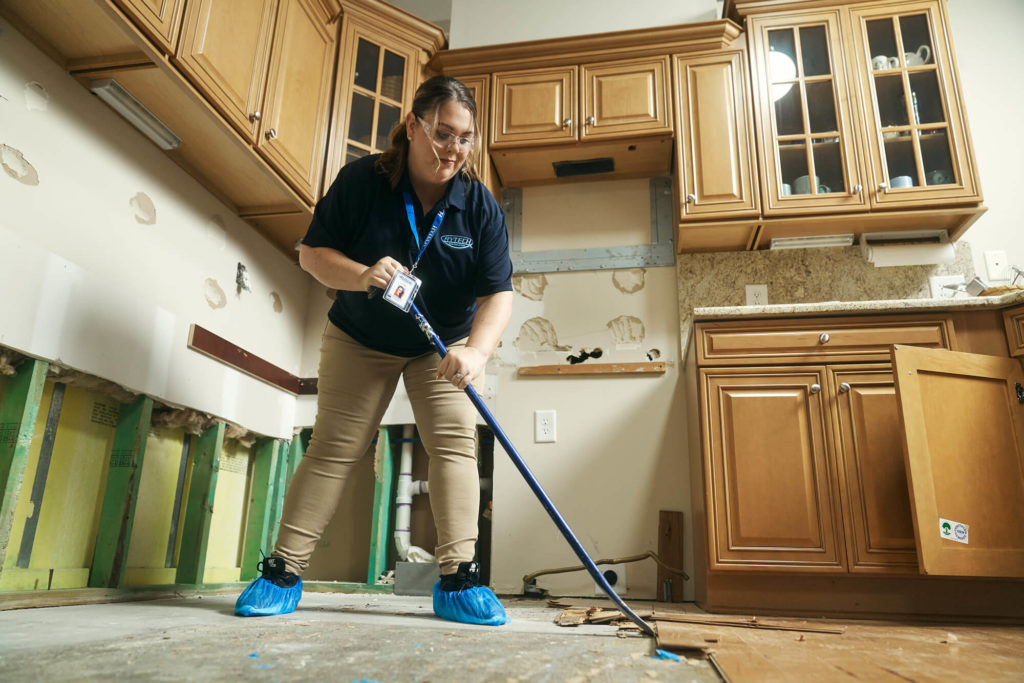
A leaking supply line in Simi Valley, wet flooring in Moorpark, hidden moisture in Thousand Oaks, or a water loss at a Ventura County commercial property may extend farther than the first visible signs suggest. Finding the full extent of the moisture gives you a much stronger starting point than guessing from what looks wet.
If you are dealing with water damage, suspect hidden moisture, or have questions after a plumbing leak, appliance failure, overflow, or other water intrusion, contact Rytech Restoration of Ventura County. The local team can inspect the affected area, explain what the findings mean, and help you understand the restoration process ahead.


