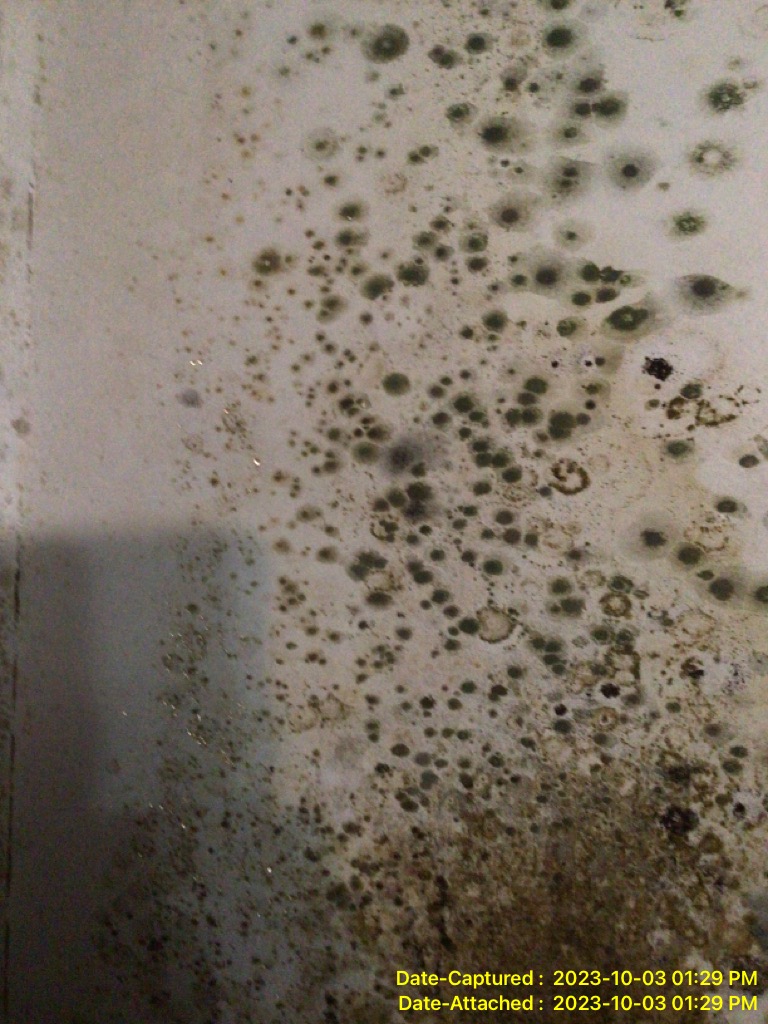
Mold thrives in warm, humid, and moisture-prone environments—conditions that Ventura County properties often face throughout the year. Whether it’s water intrusion from a winter storm, high indoor humidity during coastal fog, or a small leak hidden behind a wall, mold can quickly take hold inside homes and businesses.
At Rytech Restoration of Ventura County, we specialize in professional mold remediation that follows ANSI/IICRC S520 industry standards, ensuring that every step—from inspection to restoration—is handled safely, thoroughly, and efficiently. This guide will help Simi Valley property owners, managers, and insurance partners understand how the remediation process works, when to take action, and why local expertise makes all the difference.
What Causes Mold Growth in Simi Valley Properties
Simi Valley’s Mediterranean climate may be beautiful, but it creates an ongoing challenge for moisture control. Mold growth typically starts when excess humidity or hidden water damage remains unaddressed.
Common causes include leaky roofs from seasonal rain, burst pipes, poor attic ventilation, or past flooding incidents. Even condensation from air conditioning systems can promote mold growth if it settles into porous materials like drywall or wood framing.
Early detection saves property owners time and money. Identifying a moisture issue before it escalates prevents widespread contamination and structural damage.
Health Risks Associated With Mold Exposure
Mold exposure can affect everyone differently, but it often leads to allergic reactions such as coughing, eye irritation, and headaches. Over longer periods, exposure can aggravate asthma, trigger respiratory problems, and contribute to fatigue or sinus congestion.
Children, the elderly, and individuals with weakened immune systems are particularly susceptible. Maintaining clean indoor air through professional mold remediation significantly reduces these health risks while improving overall comfort and safety.
Identifying the Signs of a Mold Problem
Not all mold is visible at first glance. Property owners in Simi Valley, Moorpark, and Thousand Oaks often discover mold only after noticing secondary signs.
Common indicators include:
- A musty or earthy odor that persists even after cleaning.
- Discolored walls, ceilings, or flooring.
- Increased allergy symptoms among residents or employees.
- Stains or peeling paint around windows, vents, or baseboards.
If you detect any of these signs, scheduling a professional mold inspection in Simi Valley can reveal the true source and scope of the problem.
Mold Inspection and Testing Procedures
Mold inspections involve a detailed assessment of both visible and hidden areas using advanced technology. At Rytech Restoration of Ventura County, technicians employ moisture meters, thermal imaging cameras, and hygrometers to detect moisture pockets behind walls and under flooring.
When needed, air and surface sampling is conducted to confirm spore levels and identify mold types. This scientific data forms the foundation of a remediation plan that meets IICRC S520 standards and local California environmental regulations.
The Professional Mold Remediation Process

Effective mold remediation follows a structured, science-based approach designed to ensure thorough removal and lasting results.
- Inspection and Assessment – Identify contamination sources and affected materials.
- Containment – Isolate the area to prevent airborne spore spread.
- Air Filtration – Deploy HEPA-filtered air scrubbers and negative air systems.
- Mold Removal – Clean or remove affected materials following IICRC protocols.
- Cleaning and Sanitization – Disinfect surfaces to eliminate remaining spores.
- Restoration and Verification – Restore affected areas and confirm safe conditions.
Each step is meticulously documented to ensure compliance and transparency for property owners, adjusters, and insurers.
Containment and Air Filtration
Containment is the backbone of any safe remediation project. Plastic sheeting, airlocks, and pressure differentials keep spores from migrating to clean zones. Meanwhile, HEPA-filtered air scrubbers continuously capture airborne particles to maintain clean, breathable air throughout the process.
This method minimizes cross-contamination and ensures occupants’ health and safety, even during ongoing remediation in multi-unit or commercial properties.
Mold Removal Methods and Equipment
Technicians use specialized tools and procedures to remove contamination without spreading spores. HEPA vacuums, wire brushes, and industrial-grade cleaning agents are standard tools used to remove growth and sanitize affected areas.
For materials that can’t be restored, such as soaked insulation or deteriorated drywall, safe removal and disposal prevent mold from returning.
Drying and Dehumidification
Moisture control is the final key to stopping mold growth. After removal, industrial-grade dehumidifiers and air movers bring humidity down to safe levels. Moisture mapping ensures that no wet areas remain hidden behind walls or flooring.
Following the ANSI/IICRC S500 Standard for Professional Water Damage Restoration, Rytech ensures that all surfaces are dry, stable, and safe before restoration is complete.
Preventing Future Mold Growth
Preventing mold requires managing humidity and maintaining ventilation. Homeowners and business owners can reduce risk by:
- Fixing leaks immediately.
- Using dehumidifiers in bathrooms and basements.
- Improving airflow through attics and crawlspaces.
- Scheduling annual property inspections after heavy rainfall.
Rytech’s moisture detection and inspection services help property owners stay proactive rather than reactive.
When to Hire Certified Mold Remediation Professionals
Mold contamination can spread quickly if handled incorrectly. Hiring certified professionals ensures that every step follows the ANSI/IICRC S520 standard of care, protecting both your property and your health.
Certified teams like Rytech Restoration of Ventura County bring advanced drying technology, containment systems, and in-depth local knowledge to each project.
“Simi Valley’s climate and construction styles—especially in older stucco homes—present unique challenges for moisture control,” says Mat Stone, owner of Rytech Restoration of Ventura County. “Our technicians understand how these structures breathe and dry, allowing us to remove mold efficiently while minimizing damage and downtime.”
Mat Stone, Owner, Rytech Restoration of Ventura County
Costs Involved in Mold Remediation
The cost of remediation depends on contamination size, material type, and accessibility. Small residential cleanups typically cost less than large commercial or multi-unit projects that require extensive containment and testing.
Rytech provides clear, transparent estimates that align with industry standards and insurance documentation requirements.
Insurance Coverage for Mold Damage
In California, mold remediation may be covered under your homeowner’s or commercial policy if it results from a sudden and accidental event, such as a pipe burst or storm-related leak.
Rytech’s administrative team assists clients with documentation, photos, and moisture mapping to support claims processing and communication with adjusters.
Post-Remediation Verification and Clearance Testing
After remediation, a post-remediation verification (PRV) confirms that affected areas meet safety and cleanliness standards. This may include surface and air testing conducted by an independent third-party specialist to ensure the job was successful.
The final report offers peace of mind for homeowners, property managers, and insurers alike.
DIY vs. Professional Mold Remediation
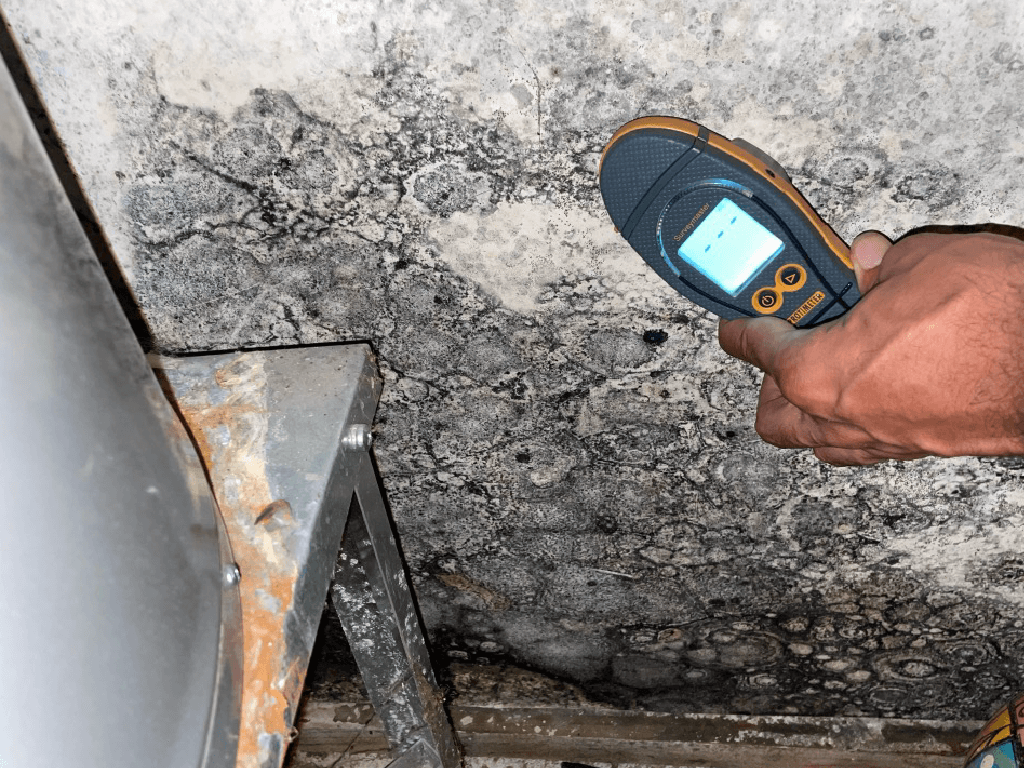
Minor surface mold on tile or grout can sometimes be managed by property owners, but larger infestations require professional handling. Without proper containment and air filtration, spores can spread quickly through HVAC systems and walls, turning a small issue into a costly one.
Professional remediation eliminates the guesswork, providing long-term solutions and documentation for future real estate or insurance needs.
Legal and Regulatory Compliance in Mold Remediation
California enforces strict regulations for mold removal, air quality, and worker safety. Certified remediation companies like Rytech Restoration adhere to state environmental standards and the IICRC S520 professional standard of care, ensuring every project meets compliance requirements.
This attention to detail protects both property owners and insurers from potential legal or health-related liability.
Get Inspected to Stay Protected
Mold can spread fast—but so can solutions. Whether you manage a commercial building in Thousand Oaks, a home in Moorpark, or a multi-unit property in Simi Valley, Rytech Restoration of Ventura County is ready to help.
Our IICRC-certified team provides mold inspection, water damage mitigation, and restoration services across Ventura and Los Angeles Counties.
If you’ve noticed mold, moisture, or musty odors, don’t wait—get inspected to stay protected.
FAQs: Your Mold Inspection And Testing Questions Answered
At Rytech Ventura County, we know property owners across Southern California have plenty of questions when it comes to mold inspection—and we’re here to provide answers with clarity and confidence. Whether you're wondering how mold inspections work, what signs to look for, how long the process takes, or if testing is always necessary, our team is ready to walk you through it. Serving Ventura, Los Angeles, Riverside, and Santa Barbara counties, we tailor our responses to the unique environmental challenges of the region—from coastal humidity to inland heat. We believe informed clients make the best decisions, which is why we take the time to explain each step of our certified mold inspection process and what to expect next. If you’re dealing with musty odors, recent water damage, or just want peace of mind, Rytech has the answers you need.


