If you’re searching for mold remediation services in Simi Valley, you’re likely dealing with something stressful and unexpected. Mold shows up quietly, spreads quickly, and often signals a deeper moisture problem hiding behind walls, under floors, or inside your HVAC system. For homeowners and property managers across Simi Valley and Ventura County, understanding how mold works and how professional remediation solves it can make all the difference in protecting your property and indoor environment.
Understanding Mold Problems in Simi Valley Homes
Mold is a natural part of the environment, but inside your home, it behaves differently. It grows when moisture meets organic materials like drywall, wood, or insulation. In areas like Simi Valley, where coastal moisture, occasional storms, and older plumbing systems intersect, mold often follows water damage events.
This isn’t just about appearance. Mold growth signals that moisture has been sitting longer than it should. According to industry standards, microbial growth is directly tied to unresolved water intrusion, which is why water damage restoration and mold remediation are closely connected processes .
When left unaddressed, that moisture continues to break down building materials and affect indoor air quality, turning a small issue into a widespread contamination concern.
What Causes Mold Growth in Ventura County Properties
In Simi Valley and nearby areas like Thousand Oaks, Moorpark, and Chatsworth, mold often starts with something simple. A slow leak under a sink. A roof issue after a windy storm. A clogged HVAC drain line.
These small problems don’t stay small. Moisture gets trapped in enclosed spaces, and within days, microbial growth can begin. The most common problem areas we see locally include bathrooms with poor ventilation, attics with roof leaks, and wall cavities behind appliances.
Homeowners sometimes fix the visible issue, like patching drywall, but the hidden moisture remains. That’s when mold spreads quietly behind the scenes.
Health Concerns Linked to Mold Exposure
Mold exposure affects people differently, but one thing stays consistent. Indoor environments with elevated mold spores can trigger respiratory irritation and allergic responses.
Children, older adults, and those with pre-existing conditions tend to feel the effects first. Even healthy individuals may notice persistent coughing, sinus irritation, or headaches when mold is present.
The concern isn’t just what you can see. Airborne particles move through the home, especially when HVAC systems circulate contaminated air. That’s why proper containment and air filtration are part of professional remediation protocols.
Signs Mold May Be Hiding in Your Home
Not all mold is visible. In fact, some of the most significant issues we encounter in Simi Valley homes are hidden behind walls or under flooring.
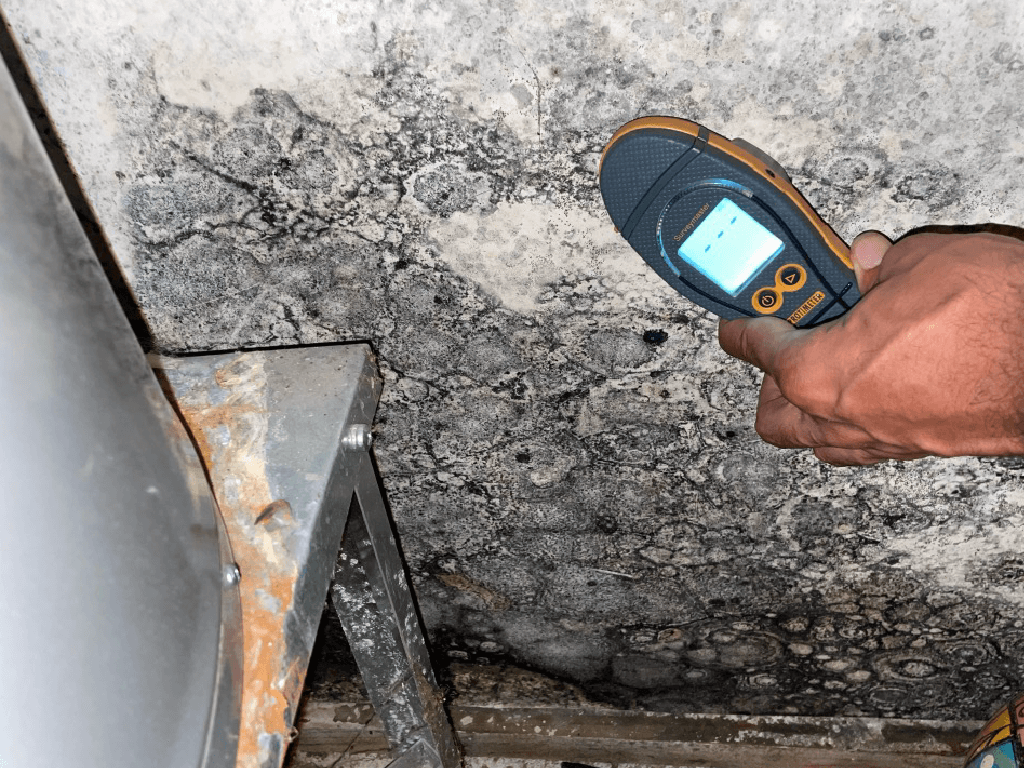
You might notice discoloration on drywall, warped baseboards, or dark spotting around vents. Other times, the only clue is a musty odor that doesn’t go away.
Here’s where many homeowners pause and wonder. Is it mildew or mold? Mildew tends to stay on surfaces and is easier to clean. Mold often penetrates materials and spreads through structures. That distinction matters because it determines whether simple cleaning or professional remediation is needed.
Why Professional Mold Remediation Matters
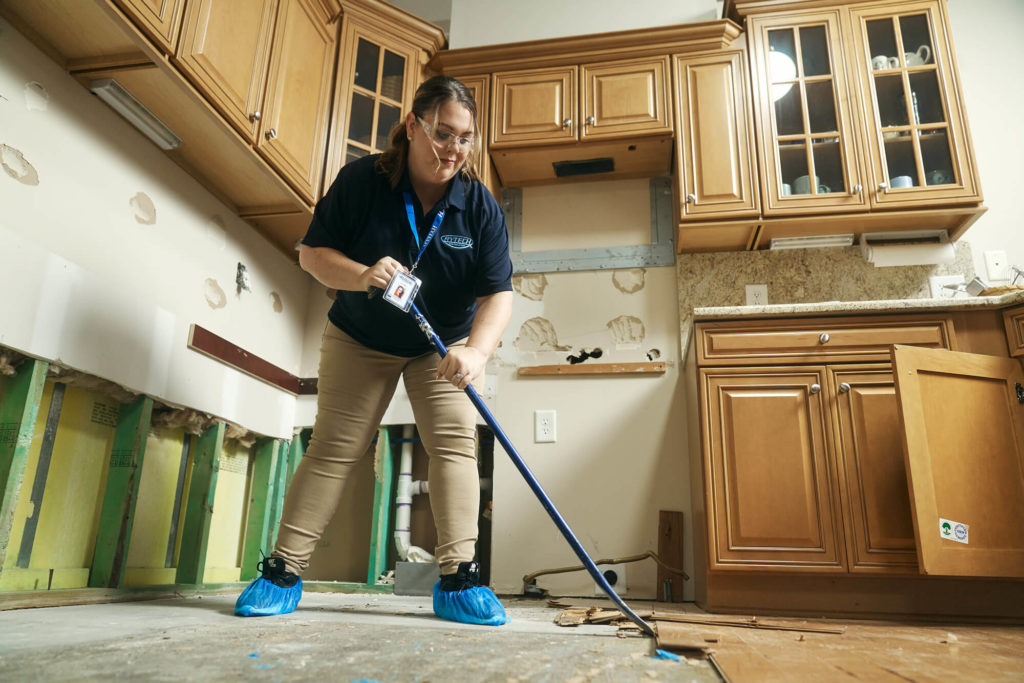
DIY solutions often address the surface, not the source. That’s where problems continue. Without identifying and correcting the moisture condition, mold returns.
Professional remediation follows a structured process based on industry standards like ANSI/IICRC S520, which outlines how to safely remove contamination and restore indoor environments .
At Rytech Restoration of Ventura County, our approach focuses on:
- Identifying the moisture source
- Containing affected areas to prevent cross-contamination
- Removing impacted materials when necessary
- Cleaning and restoring salvageable materials
This process reduces airborne contamination and protects unaffected areas of the property.
How Mold Inspection and Testing Works
Every project starts with understanding the scope. That means more than just looking at visible mold.
We use advanced moisture detection tools to locate hidden water sources. In some cases, air sampling or surface testing helps define the extent of contamination, especially when mold is suspected in HVAC systems or concealed spaces.
The goal is simple. Build a clear, data-driven plan before any work begins.
Inside the Mold Remediation Process
Once the scope is defined, remediation begins with containment. This step isolates affected areas using physical barriers and negative air pressure to keep spores from spreading.
Air filtration devices equipped with HEPA filters capture airborne particles during the process. Contaminated materials that cannot be restored are carefully removed, while structural elements that can be saved are cleaned using specialized techniques.
Everything is documented along the way. Photos, moisture readings, and progress updates ensure transparency for homeowners and insurance partners.
What to Expect During the Timeline
Every mold situation is different. A small, contained issue may take a few days, while larger projects involving multiple rooms or commercial properties in Ventura County can take longer.
Throughout the process, communication stays consistent. You’ll know what’s happening, what’s next, and how each step moves your property closer to normal.
Post-Remediation Verification and Air Quality
After remediation, the focus shifts to verification. The goal is to confirm that the environment has returned to a normal condition.
Third-party indoor environmental professionals may perform clearance testing when needed. This step ensures that contamination has been effectively addressed and that the indoor environment is safe for re-occupancy.
This aligns with industry guidance that emphasizes verification as a key part of successful remediation projects .
Understanding Costs and Insurance Support
Costs vary based on the size of the affected area, the level of contamination, and the materials involved. In many cases, mold remediation is tied to a covered water loss, such as a burst pipe or appliance failure.
The process can feel unfamiliar, especially if it’s your first claim. That’s where having a restoration partner helps. Rytech works alongside insurance carriers and adjusters to document the loss clearly and keep the process moving smoothly.
DIY vs. Professional Mold Removal
Small surface-level issues might be manageable with proper cleaning. But once mold spreads into building materials or affects indoor air quality, professional remediation becomes the safer path.
Incomplete removal often leads to recurring problems, and that cycle can become costly over time. Certified professionals bring the training, equipment, and process needed to handle contamination correctly the first time.
Preventing Mold from Coming Back
Long-term prevention comes down to moisture control. Regular inspections, proper ventilation, and addressing leaks quickly all play a role.
In Simi Valley homes, we often recommend checking attic spaces after storms, maintaining HVAC systems, and monitoring humidity levels indoors. Small adjustments make a big difference in preventing future issues.
Smart Upgrades for Mold Resistance
When updating moisture-prone areas like bathrooms or laundry rooms, using mold-resistant materials adds another layer of protection.
Improved ventilation systems, upgraded insulation, and proper sealing around windows and roofing components help reduce the chances of future moisture intrusion.
Regulations and Safety Standards
Mold remediation follows strict safety and procedural guidelines. Industry standards like ANSI/IICRC S520 provide the framework for handling contamination safely and effectively .
These standards guide everything from containment practices to worker safety and documentation, ensuring consistent results across residential and commercial projects.
Choosing the Right Mold Remediation Partner in Simi Valley
Not all restoration companies operate the same way. Certifications, experience, and process matter.
Look for IICRC-certified professionals who provide detailed inspections, clear documentation, and a defined remediation plan. Communication and transparency throughout the project also make a big difference in your overall experience.
“Here in Simi Valley, we see a lot of mold tied to hidden plumbing leaks and attic ventilation issues. Many homes use building materials that can trap moisture if it’s not addressed quickly. Our team has years of experience working with these structures, and we focus on finding the source first so the problem doesn’t come back.”
Mat Stone, Owner, Rytech Restoration of Ventura County
Preparing Your Home for Remediation
Before work begins, homeowners may need to clear access to affected areas and make temporary adjustments to daily routines.
During the process, keeping family members and pets away from containment zones helps maintain safety. After completion, monitoring humidity and staying alert to any new moisture issues keeps your home on track.
Work With a Team That Understands Simi Valley Properties
From hillside homes in Simi Valley to commercial properties in Ventura, Oxnard, and Santa Clarita, every structure has its own challenges. Local experience matters.
If you’re dealing with a mold concern or recent water damage, working with a team that understands local construction styles, climate patterns, and common moisture issues can speed up recovery and reduce long-term risk.
When you need trusted help, start with a team that specializes in professional mold remediation services in Ventura County and brings both technical expertise and real local experience to every project.
Get Inspected to Stay Protected
If something doesn’t smell right, looks off, or just feels like it could turn into a bigger issue, don’t wait. A quick inspection can prevent a much larger problem down the road.
FAQs: Your Mold Inspection And Testing Questions Answered
At Rytech Ventura County, we know property owners across Southern California have plenty of questions when it comes to mold inspection—and we’re here to provide answers with clarity and confidence. Whether you're wondering how mold inspections work, what signs to look for, how long the process takes, or if testing is always necessary, our team is ready to walk you through it. Serving Ventura, Los Angeles, Riverside, and Santa Barbara counties, we tailor our responses to the unique environmental challenges of the region—from coastal humidity to inland heat. We believe informed clients make the best decisions, which is why we take the time to explain each step of our certified mold inspection process and what to expect next. If you’re dealing with musty odors, recent water damage, or just want peace of mind, Rytech has the answers you need.


